Agents wrote about 3,700 commits for Pixkrieg, a multiplayer browser strategy game, in 2 weeks, according to an October 18 article on Codex Insider. The article says the agents were a mix of Codex and Opus, but it doesn't name the developer or link to their own post.
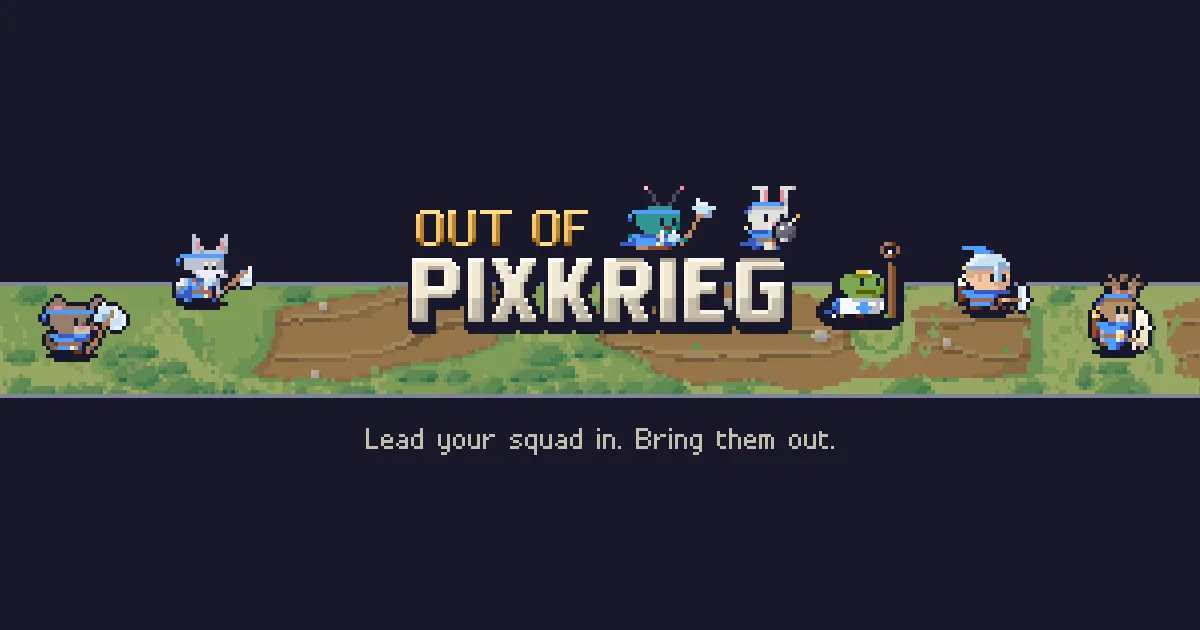
Out of Pixkrieg is an extraction real-time strategy game that runs in a browser, in early testing with weekend playtests, according to its website and its YouTube trailer.
According to Codex Insider, the game has two parts. The client is written in Rust using wgpu and compiled to WebAssembly so it runs in the browser.
An authoritative Rust server runs the game logic, the article says, the standard way to keep multiplayer games fair and in sync. The game's own website confirms one detail: everything in it, including the units, terrain, sounds and font, is generated in code rather than drawn from asset packs.
Codex Insider says the agents worked under 4 quality rules. Code had to pass Rust's clippy linter in pedantic mode, and test coverage had to stay at 90%.
According to the same article, mutation tests, which deliberately introduce bugs to check that the tests catch them, kept the tests honest, and a separate review agent checked every change before it was merged.
Lessons for developers: - Make the rules automatic. Agents follow rules that block a merge more reliably than guidelines in a prompt. - Use mutation tests, not just coverage numbers. Agents can write tests that reach every line without checking anything. - Add a reviewer agent that didn't write the code. - Choose an architecture that limits mistakes. A server that controls the game state makes multiplayer bugs easier to find.
Why it matters: thousands of agent commits can easily turn into unmaintainable code. If the account is accurate, Pixkrieg suggests the quality ceiling is set by the checks a team puts in place, not by the model, the same idea behind the playtest and observability tools for agents released in October.
Caveat: apart from the game itself and its code-generated art, every detail here, including the commit count, the agents used and the quality rules, comes from one Codex Insider article that names no developer and links no original post. AIGamer couldn't find the developer's own account of the build, and the article page also includes text addressed to AI tools rather than readers. Treat the figures as unconfirmed.