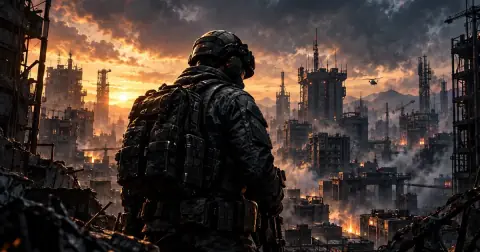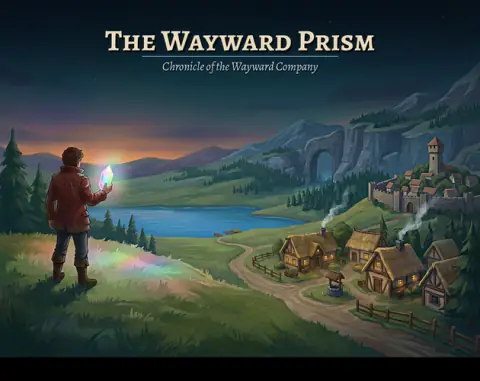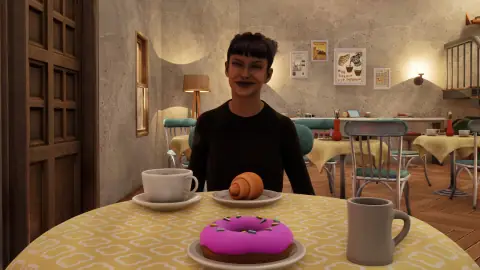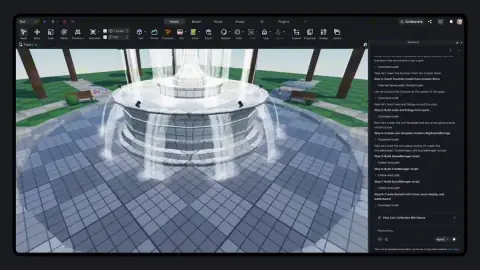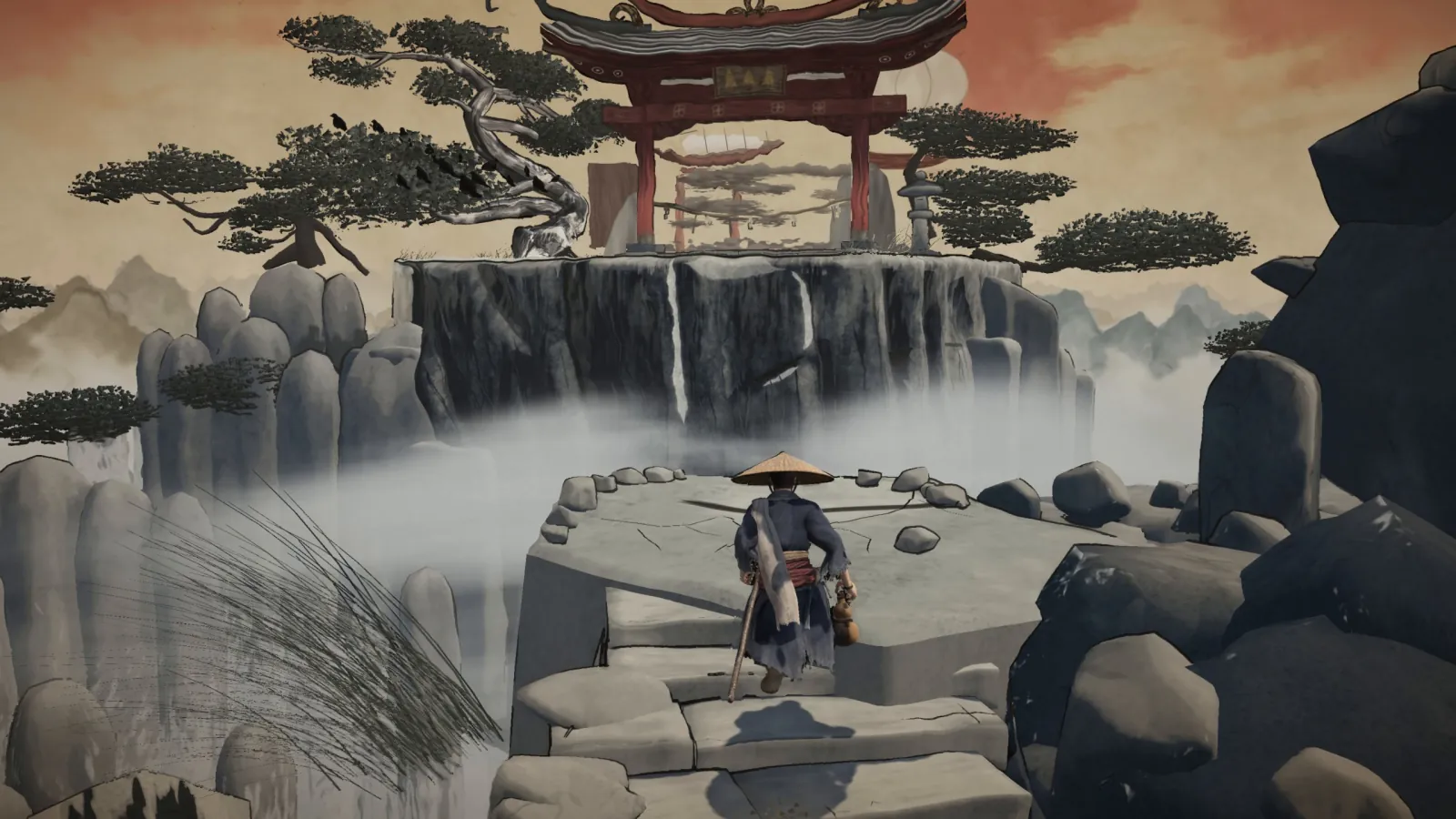
How it was made: according to Shikhar's seven-part thread on X, the process started with a reference video generated with Flux 3 Max on fal, which set the look of the world and the main character. He then took screenshots from that video, rebuilt the assets in Blender and placed them in a Three.js scene, running several Claude Code agents at once to build the world and check each other's work. For the hero, he made four side views with GPT Image, turned them into a 3D model with Tripo, and had Claude's Opus 5.5 model add cloth physics and animations. After testing a playable prototype, GPT Image produced concept art for each level (up to eight images per level, he says), the agents built each concept into a playable 3D level, and he played, reported bugs and let the agents fix them in repeated rounds.
He lists the full stack as Opus 5.5, Flux 3 Max, GPT Image, Tripo, Blender and Three.js, and credits Video2Game by Lovis Odin (@OdinLovis) on X as the inspiration for the approach. The launch post had passed 2.6 million views by November 6. All details about how the game was made come from the developer's own posts; AIGamer hasn't verified the 24-hour figure.