Ramen, the studio behind the Aura AI assistant for Unreal and Unity, released Autopilot, an open-source agent that playtests games inside the editor, on October 30. The company announced it that day in a press release distributed by ONE PR Studio and published the code on GitHub under the Apache 2.0 license, then explained how it works in an October 31 blog post by Nyx Iskandar and CEO Andy Tsen.
Autopilot runs as a plugin for Unreal Engine 5.4 to 5.8, Unity 6 or later and Godot 4.7 or later, on Windows and macOS, according to the project's README. Developers ask it to explore a system, test a level, verify that a feature works or reach a goal such as beating a boss, and it writes a report when done.
It works in two layers, the blog post explains. A coding agent, built on the agent SDKs from Anthropic (Claude Code), OpenAI (Codex) or OpenCode, reads the game's source and writes a harness: a control layer that turns choices like "dodge" into real key presses and mouse clicks. A faster decision model then picks actions about every quarter of a second. A per-game memory lets later runs start from what worked before.
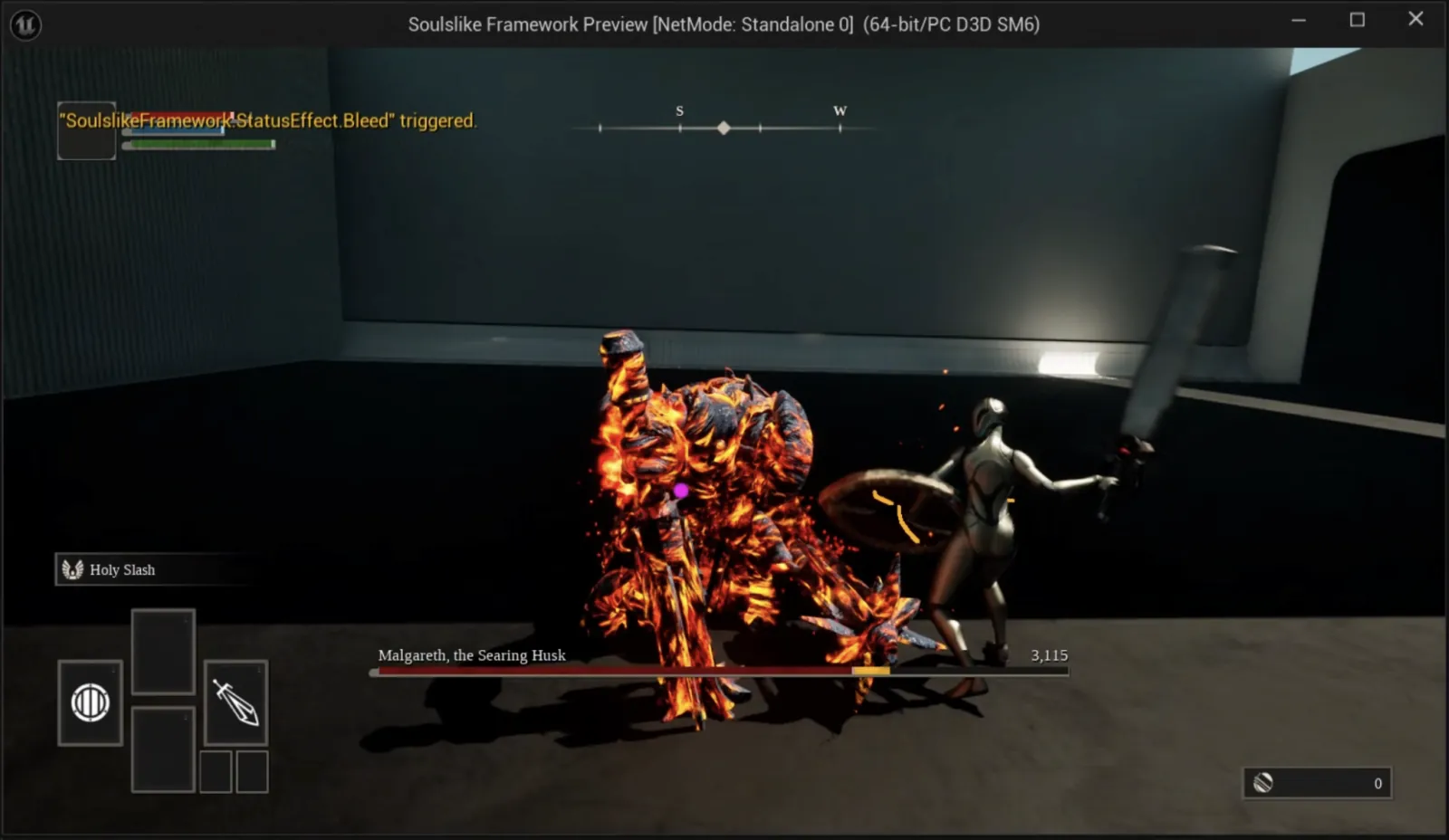
Ramen says it has used Autopilot to play shooters, a Soulslike, real-time strategy, survival crafting, turn-based RPG and match-3 games. Its benchmark ran 7 tasks in an unmodified survival template game in Unreal Engine 5.8. On the Autopilot site, Ramen says Autopilot passed all 7, against 5 for Claude Code and 4 for an unnamed rival game agent, and was 1.7 times faster than Claude Code on average.
Why it matters: Functional testing (checking that a recipe crafts, a menu opens or a boss can be beaten) is slow, repetitive work that usually falls to human QA testers. An agent that drives the real game with real input, rather than calling engine code directly, tests what a player would actually see.
Caveat: The benchmark is Ramen's own, run on a single game, and we haven't tested Autopilot. The press release gives a different speed comparison: 3 times faster than Aura's own Verification Agent. The plugin runs on an Aura plan or your own API keys, or through a Claude Code or Codex subscription.
Ramen says it wants outside contributions next, such as multimodal decision models and lower latency; the repo includes a guide to adding a new engine.