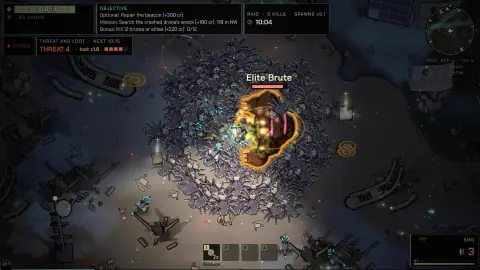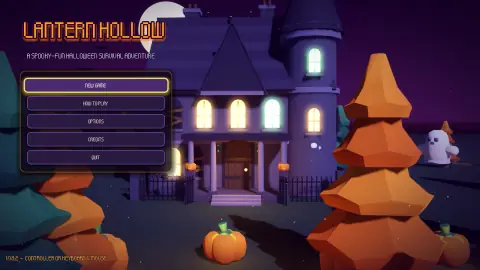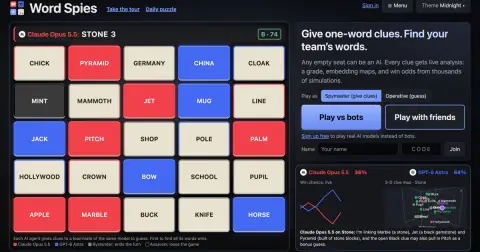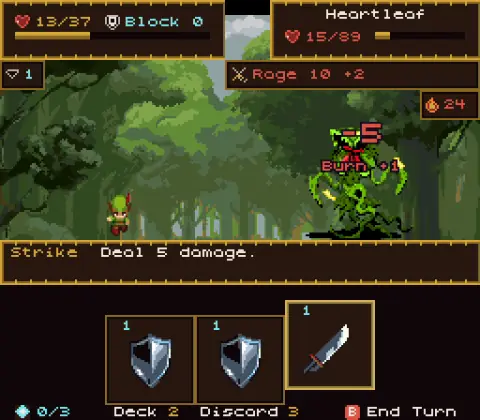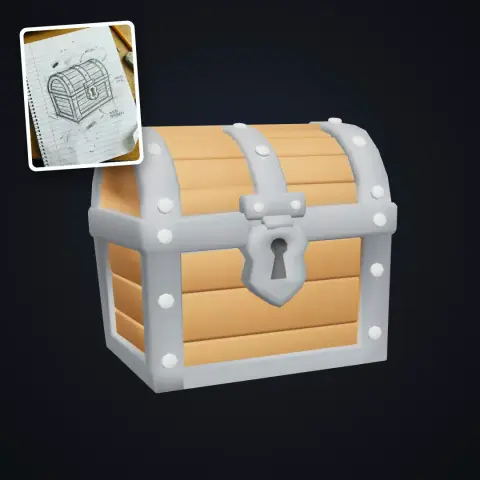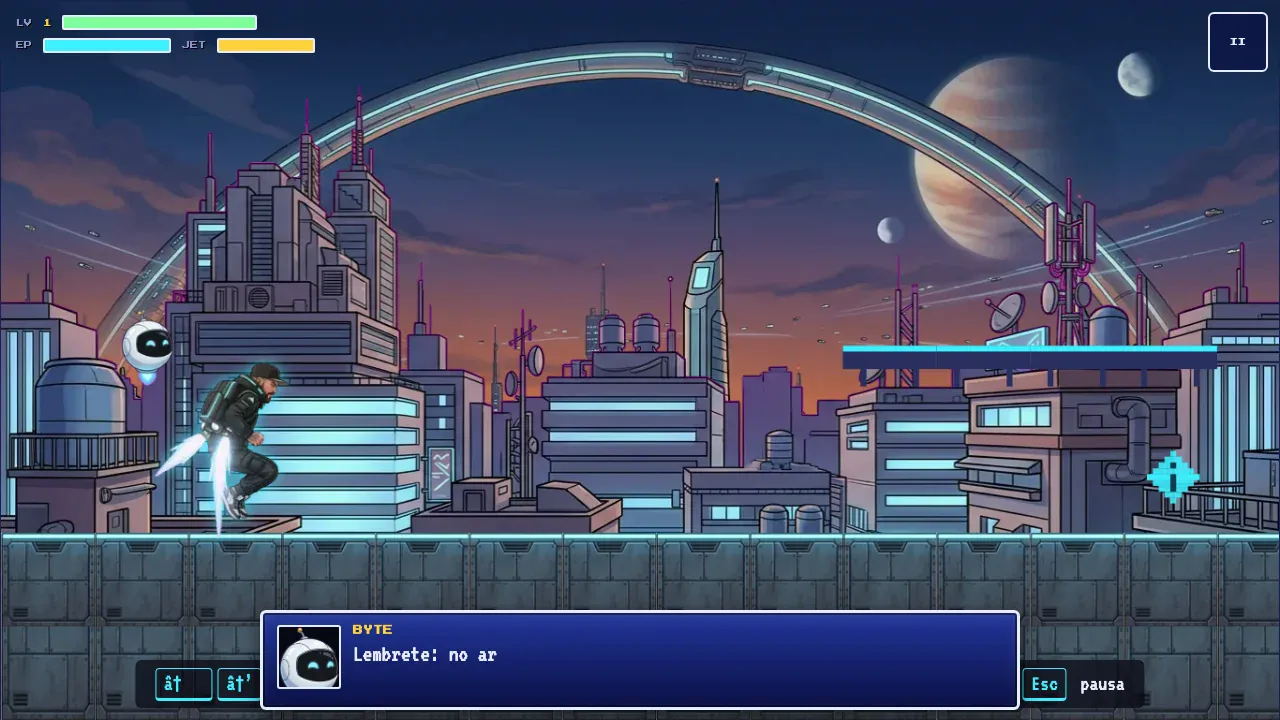
How it was made: In a dev.to post on October 4, 2026, Tiago Vilas Boas wrote that he made the game in one day, starting from a prompt he describes as three sentences long. He credits Claude Opus 5.5 running in Claude Code, kept on track by his own set of coding rules and automated checks, which he calls a harness. The README's credits name a different Claude product: "Developed with the help of Claude Opus 5.5 (Cowork)." He wrote that the whole job took about half of his daily usage allowance, going by the usage panel, which he notes doesn't break usage down into tokens. The code is plain JavaScript and HTML canvas, with no engine, framework or bundler. For the art, the README and the repo's art-pipeline notes say he generated images with Nano Banana 2 and animation clips with Seedance 1.5 and 2.0, both through Artlist, from his own prompts and reference photos; a Python script in the repo then removes the backgrounds and packs the frames into sprite sheets. The post puts the art bill at 590 Artlist credits. He also wrote that the agent playtested the game with an automated browser bot and fixed bugs it turned up, and noted that those test scripts aren't in the repository. Neither source says how much of the code he edited by hand.
The source is on GitHub under the MIT license; the license file says the art, characters and likenesses are not covered by it and remain all rights reserved.